
Are consultants still needed?
Generative AI has changed the way work is done and fundamentally shaken up the consulting market. Many companies are now trying to do it themselves with AI tools. The result? A growing gap between expectations and results. 66% of buyers say they will choose consulting firms that do not integrate AI into their work, but only 35% of companies have a clear plan for how they intend to create business value with the technology* - and many are also abandoning the majority of their AI pilots.

Why the gap persists
Two misconceptions underlie most of the disappointments that arise. First, AI is often treated as a self-driving problem solver. In reality, AI requires context, high-quality data, clear frameworks, and change management. Second, adoption has derailed strategy. Companies have bought tools and customized solutions without connecting them to actual problems, which explains all the abandoned projects and “pilots that lead nowhere.”
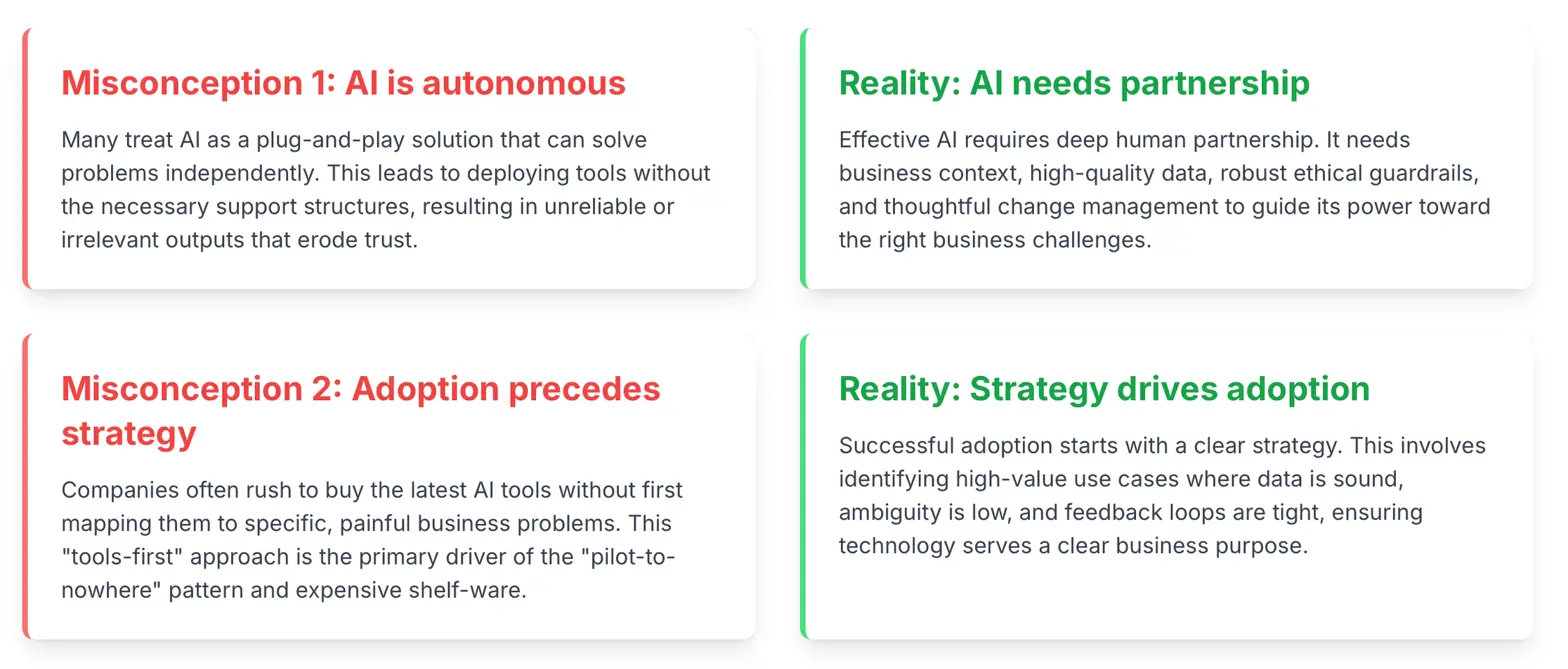
Technical limitations also exacerbate the situation. Overconfidence in what AI can actually accomplish and unclear logic reduce trust in the technology, and the results still need to be reviewed and validated by humans. Employees doubt the accuracy, leaders question the maturity, and the organization loses momentum on the AI front. In my opinion, the solution is not to abandon AI, but to use the technology where uncertainty is low, data is reliable, and feedback is fast.
Budgets are tight, stakes are high
IT investment is still growing, but buyers are more cautious. Deals are shorter. Return requirements are clear. Pricing structures based on results are becoming more common, and clients are demanding faster, more niche advice rather than multi-year transformation projects.
At the same time, the areas that matter most today, AI, data, cloud and security, still require external expertise. The paradox is clear; you need to invest to stay competitive, but you can’t afford to waste.
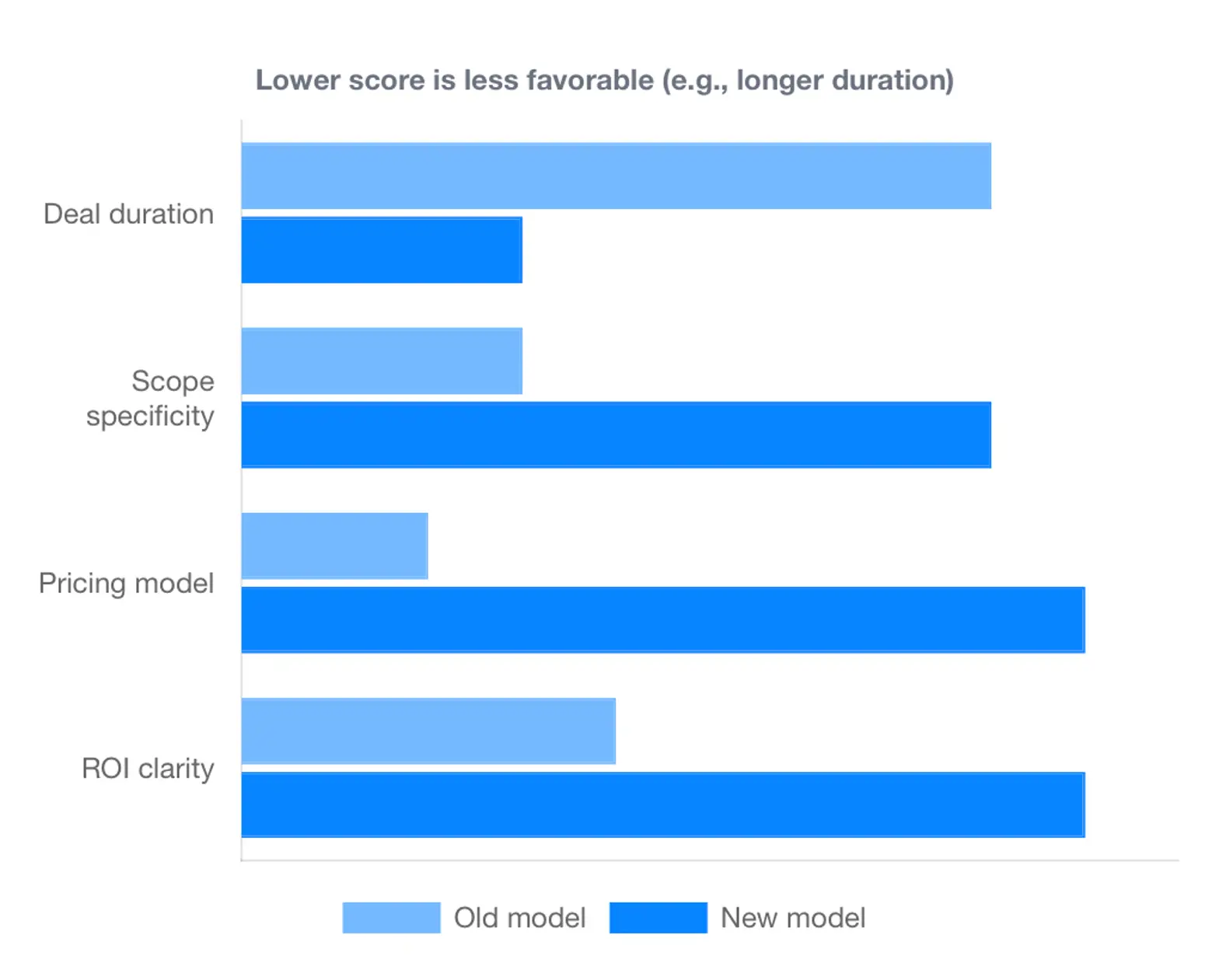
The consulting model is evolving
What successful consulting firms deliver
The best consulting firms have stopped selling unicorns and started delivering tangible results. I would argue that there are four things that should be included in a recipe for success:
Start with a business problem, not a model. Formulate a hypothesis and a measurable KPI that the CFO can get behind. For example: “Reduce claim handling time by 30% without compromising quality.”
Fix input data. Create a limited and working data pipeline and clear access patterns. Clarify integrity, bias, and data provenance. Remember, “Garbage in still means garbage out.”
Pilot in a controlled manner. Design short, low-risk experiments with clear exit criteria. Prove accuracy, speed, and economics before you scale up.
Scale what creates value. Automate what works, document the controls, and hand ownership over to the business. Use flexible models through project teams, part-time experts, or performance-based fees to get the incentives right.
Consultants using AI are effective
Modern consulting firms today use AI as a powerful accelerator throughout the delivery process. AI contributes speed and consistency, while humans provide critical thinking and accountability.

AI impacts the entire delivery cycle
How to buy consulting services in today’s market
Ask for a clear KPI. “What will you improve, when, and how will we measure it?”
Require a pilot plan. Limit yourself to two sprints, set clear success criteria, and develop a stopping rule.
Review the data path. Where does the training context come from, how is it governed, and who approves the risks?
Adjust incentives. Use milestones, KPIs, or performance-based pricing.
Conclusion
Consultants are needed when they accelerate the path to value creation and reduce the risks of implementation. The firms worth hiring are those that can best bridge the gap between AI’s potential and the limitations of reality and deliver measurable results, not just empty words.
Do you feel like your pilots aren’t paying off? Change your approach and review your partnerships, instead of replacing your tools!
*Source: https://www.bain.com/insights/ai-survey-four-themes-emerging/
Want to know more?

Tobiasz Kowalczyk
Managing Partner Poland